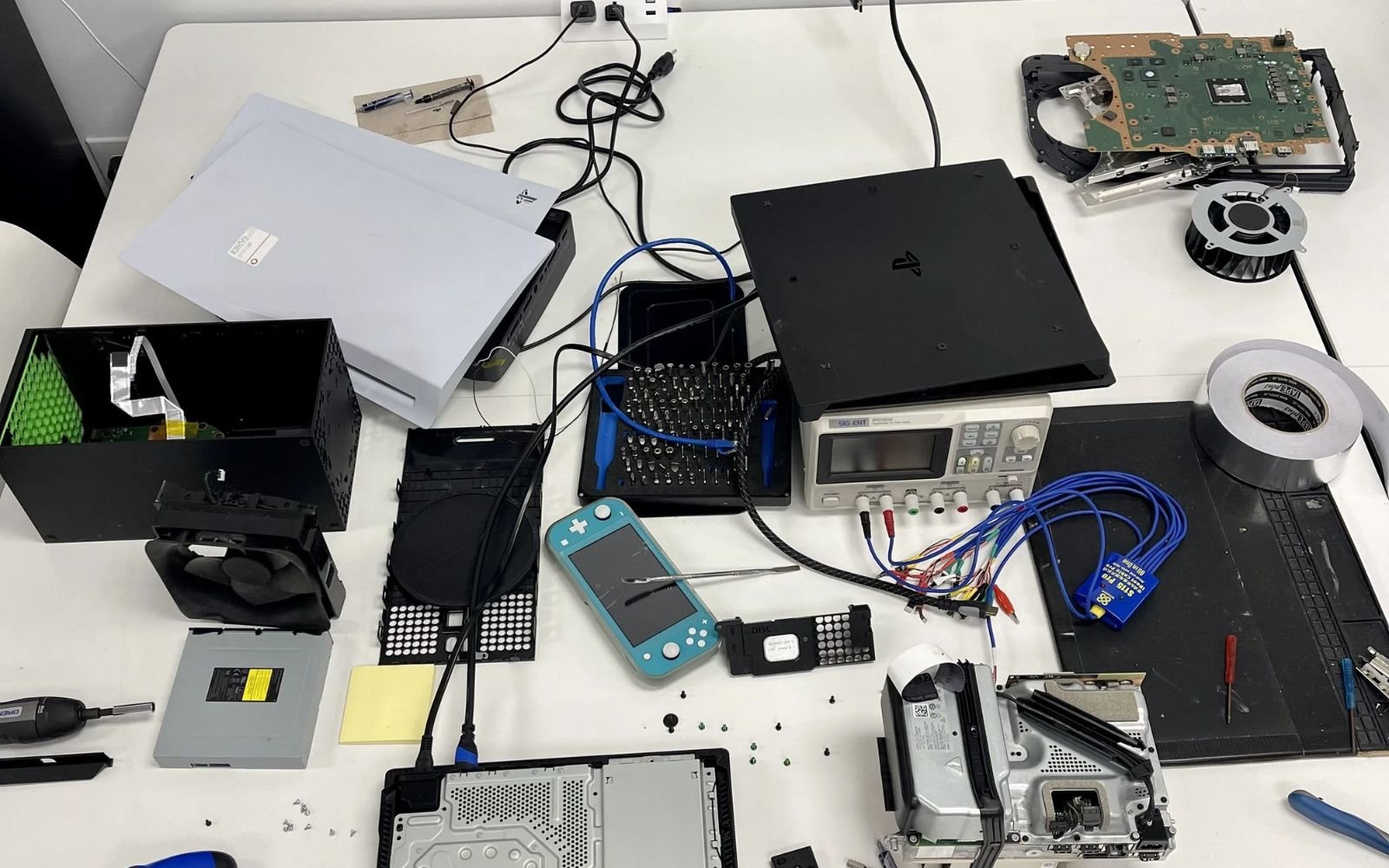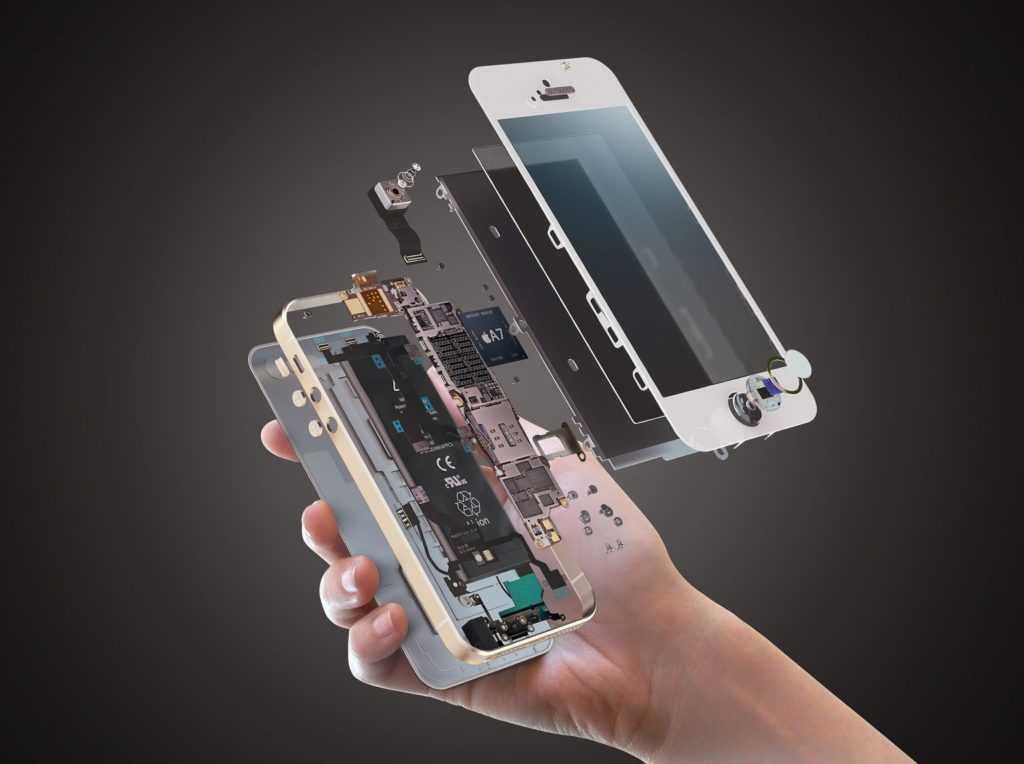
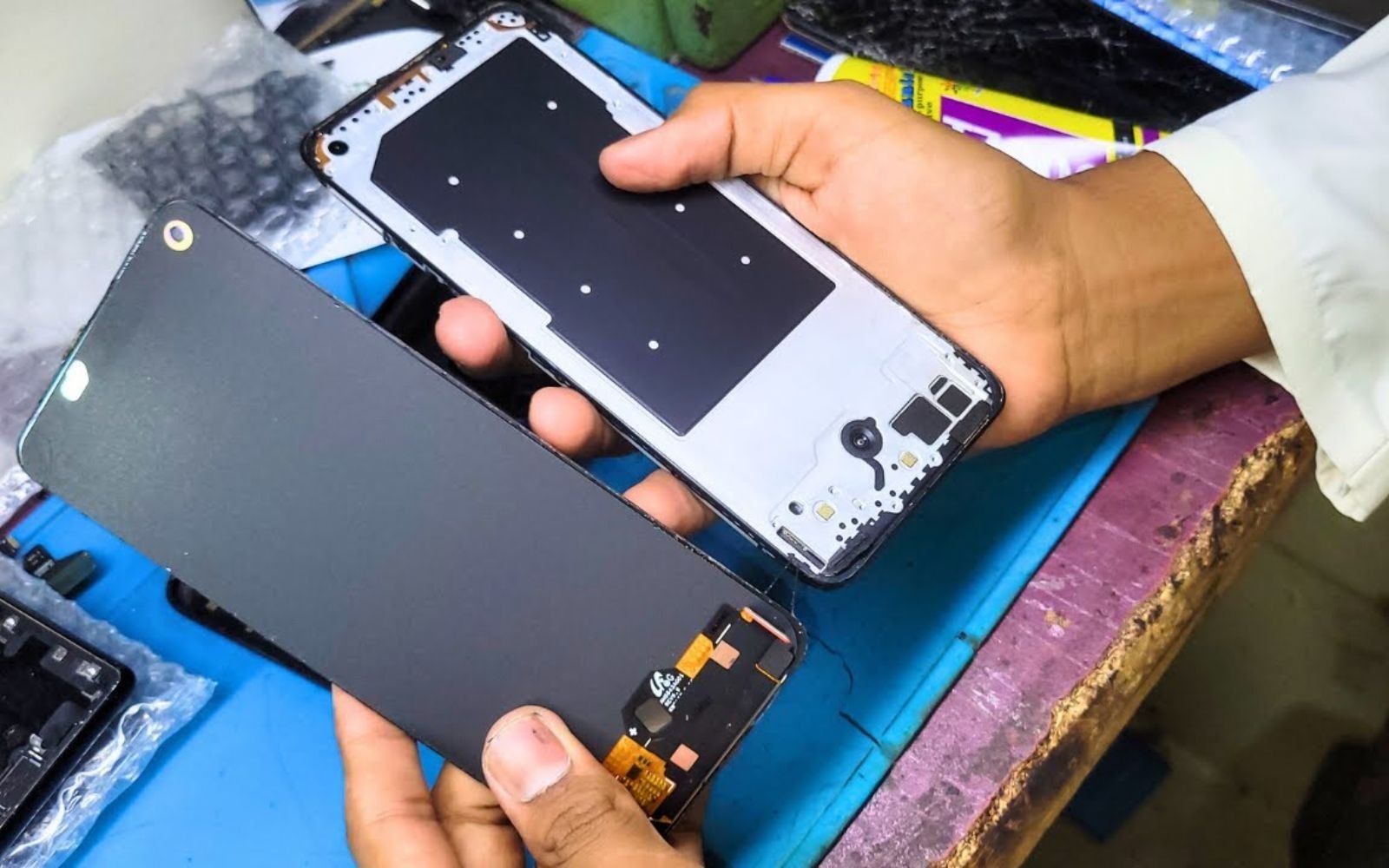
That broken phone screen is not just an aesthetic issue because it weakens the entire frame since today’s displays help hold the body together. Once cracks appear, tiny particles such as sand or water vapor slip past what used to be a tight seal around delicate circuits inside. Even if the damage looks minor, like fine spiderweb lines across the corner, comparing localized fixes versus swapping out the whole front matters greatly for recovery speed and stability. Knowing exactly how deep the harm runs guides whether simple patches work or if a complete rebuild beats temporary tricks. This guide walks through each check you must make before choosing who handles the fix.
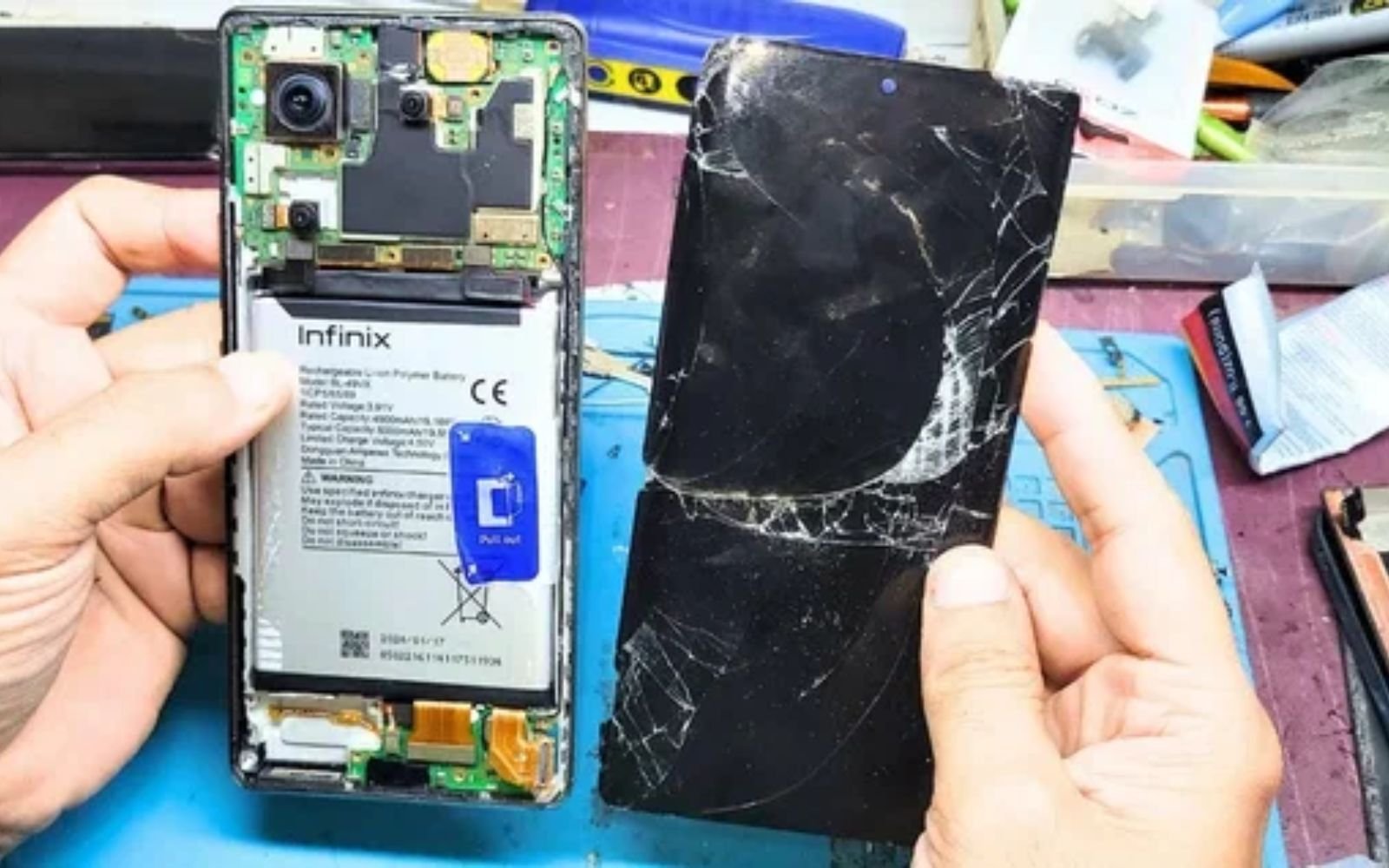
1. Assessing the Depth of Display Damage
Start by checking what parts of the display are actually damaged. Phone screens today stack multiple sections together including a top protective layer, a responsive touch film, and a glowing visual surface underneath.
Cracks showing only on the surface might not mean total failure because sometimes only the outside layer broke. Yet when blotches that look like spilled ink appear or streaks run down the screen, something deeper is wrong. If fingers fail to register where they used to, it points to inner circuitry giving out. When just the top glass splits, fixes exist without swapping everything. However, once the inside components falter, replacing the whole unit becomes unavoidable to restore full functionality.
2. The Risks of Delaying a Screen Repair
Using a gadget with a broken display can lead to serious damage inside. A small crack weakens the frame so another slight fall might wreck it completely. Addressing the fracture early prevents a simple fix from turning into a total loss.
Moisture sneaks through tiny breaks, slipping past broken glass straight toward delicate circuits inside. Little by little, dampness eats at metal parts beneath which messes up power flow or kills signal strength without warning. Sharp shards might chip off as well, waiting to nick skin when you lift the phone to talk. Fix it before small damage opens doors wider because what starts as a line across glass could eventually hollow out the whole machine.
3. Short Term Fixes and Holding Patterns
Should a quick fix by a technician not happen right away, there are still ways to stop harm from moving further. Each move buys time and while none seals the problem for good, they shield both the person and the machine. A temporary guard stands in place until proper help arrives.
A layer of tough plastic stuck across broken spots might stop tiny shards from moving around. When that option is missing, try using see through parcel tape to block dampness from getting inside. These tricks will not fix how weak the glass has become and pressing down hard near splits remains risky even after applying these temporary measures.
4. Expert Screen Module Swap
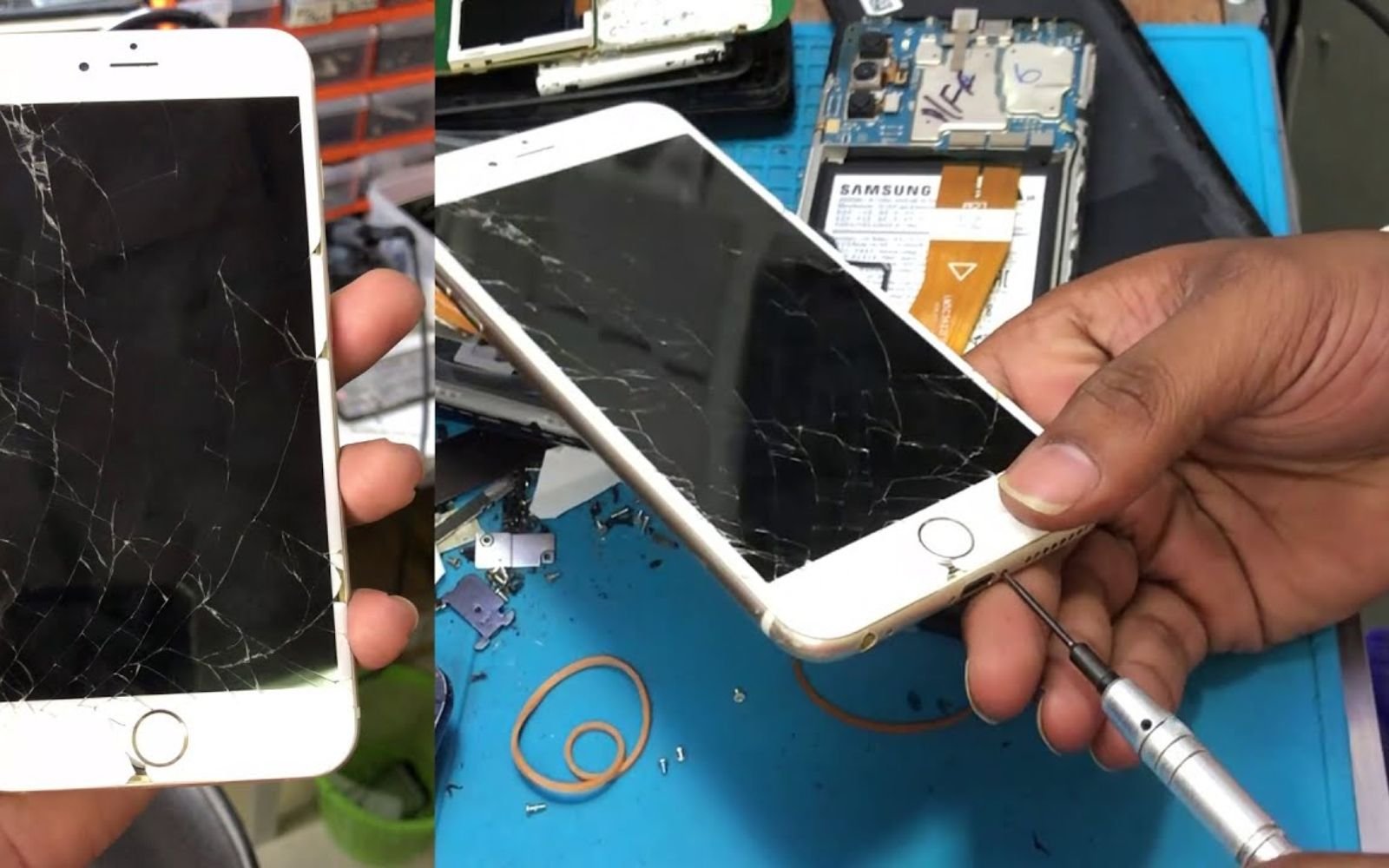
Most newer phones need the full screen swapped out when things go wrong. Fixing it means new glass, a touch layer, and the display panel come together as they were built right from the start. A fresh unit simply works better as one piece.
Professional heat tools help technicians gently loosen the glue keeping phones shut. Once opened up, the damaged part is unplugged from the main circuitry and replaced by a fresh factory made piece. This is better than fixing just the glass because no grit sneaks in between parts this way and the screen response stays sharp like it did at first.
5. Evaluating Repair Costs versus Device Value
Deciding between fixing a device or getting a new one usually depends on how old the phone is and what repairs would cost. A top model just twelve months into its lifecycle might make screen fixes worth every dollar since those extra years of use add up fast.
Older models can make screen repairs feel pointless if spending that much on a premium part nearly matches what the whole phone sells for now. That cash may go further if used to get something newer instead. While thinking it through, check how worn the battery is because shops often cut the cost of replacing it once they have cracked the case for glass work.
6. Warranty and Insurance Details
Most factory guarantees will not pay for broken displays so check what kind of backup you already have before calling an outside fixer. Accidents usually fall outside basic promises from manufacturers. Extra protection plans sometimes allow cheaper glass swaps so look up the fine print first instead of guessing.
Most manufacturer guarantees stop working if fixes happen outside approved shops. When coverage exists, sticking to official repair spots keeps updates and help available later. Without backup plans, picking a known repair centre that offers promises on work and pieces guards the investment you already made in your technology.
7. Conclusion
Fixing a broken screen matters if you want your phone to last and stay safe to use. Look closely at what is damaged then decide whether a quick fix will do or if it needs a full expert rebuild. Getting the job done right stops problems later such as moisture getting inside or touch control failing. A careful repair means everything keeps working as it should.
When something seems off with your screen, getting it checked by a professional makes sense. Contact Stone City to schedule a Mobile Structural Integrity Audit for your device. Our specialists perform rigorous Display Calibration Tests to ensure that replacements behave just like the original factory components. Rather than wondering how bad things are inside, you receive Hardware Safety Mapping to identify hidden internal concerns. Reach out today so our seasoned crew can provide a professional solution built to keep your gear intact.